Wine Tasting for Beginners: My Journey to Becoming a Wine Lover
Reading time: 11 minutes
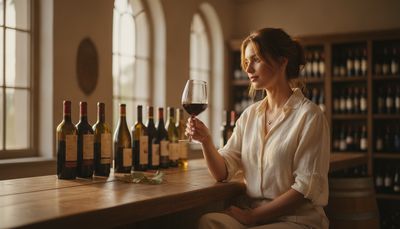
I stood outside the entrance of the wine bar Rutz in Berlin-Mitte with clammy hands. Not because of the July heat, but because I knew absolutely nothing about wine and had to pretend, at my very first real wine tasting, that I knew what I was talking about. Spoiler: I didn't. But that very first beginner wine tasting showed me that you don't have to be a sommelier to enjoy wine and feel comfortable at a tasting.
Today, two years and about 30 wine tastings later, I swirl my glass with ease and can actually name the differences between a Spätburgunder (German Pinot Noir) from Baden and one from the Rheingau. How I went from a nervous beginner to a confident wine lover is what I'll show you in this article.
Why I went to a wine tasting in the first place
My first contact with fine wine culture came through lifestyle dating. At a dinner at Reinstoff near Checkpoint Charlie in Berlin, my date ordered a 2015 Riesling from the Weingut Keller estate in Rheinhessen, Germany, for about $200 a bottle. I nodded knowingly, but had no idea whether that was a lot or a little. When he asked whether I could taste the mineral note, I mumbled something about it being "interesting" and hoped he'd change the subject.
The feeling that a whole world was closed off to me gnawed at me. Not because I wanted to impress anyone, but because I wanted to understand what was actually in my glass. So I signed up for a beginner wine tasting at Vinocentral in Berlin-Charlottenburg. Cost: about $55 for two hours with six wines. Not a huge investment, but for me at the time it was a statement: I want to learn this.
My first wine tasting: mistakes and lessons
At my first beginner wine tasting with no prior knowledge, I made pretty much every mistake you can make. I wore a light-colored sweater and promptly spilled red wine on it. I held the glass by the bowl instead of the stem and warmed up the white wine with my hand. When the sommelier talked about "tannins," I thought of suntan lotion. Embarrassing? Yes. But instructive.
The most important lesson of that evening: nobody expects you to know everything. The sommelier patiently explained that tannins are the compounds that give red wine its structure and create that fuzzy feeling in your mouth. He showed us how to swirl the glass properly without splashing your neighbor. And he stressed several times: "There's no right or wrong when tasting. What you perceive is your personal experience."
That statement helped me enormously. Much like on my first gallery date, where I learned that you can talk about art without being an expert, I now understood that learning to taste wine isn't about memorizing facts, but about training your own perception.
How to taste wine properly: the technique I learned
After five more wine tastings, I had developed a routine that helps me at every tasting today. I'm sharing it here because anyone can put these steps into practice.
First, I look at the wine. I hold the glass against a light background and check the color. A young white wine is often pale yellow to greenish, an older one more golden yellow. Red wines get lighter with age, going from deep violet to brick red. This tip from a course at the German Wine Institute helped me get a sense of a wine's age, and sometimes even the grape variety, before the first sip.
Then I swirl the glass gently. I set it down briefly and move it in small circles on the table. The "church windows" or "legs" that run down the side of the glass indicate the alcohol content. The slower they flow, the more alcohol. A simple trick I picked up at a wine school in Berlin-Kreuzberg.
When I smell it, I put my nose right into the glass. At first I thought that was over the top, but that's the only way I really pick up the aromas. I try to identify three things: fruit, other aromas such as spices or herbs, and whether the wine feels more fresh or heavy. If I smell apple or lemon, I say so. If I just think "smells good," that's okay too.
Only then do I taste. I take a small sip and spread the wine around my mouth before I swallow. Some pros even "chew" the wine, but I found that too much of an acquired taste at first. What matters is the finish: does the flavor vanish right away or linger for minutes? A long finish is considered a sign of quality.
How to behave at a wine tasting: my personal etiquette
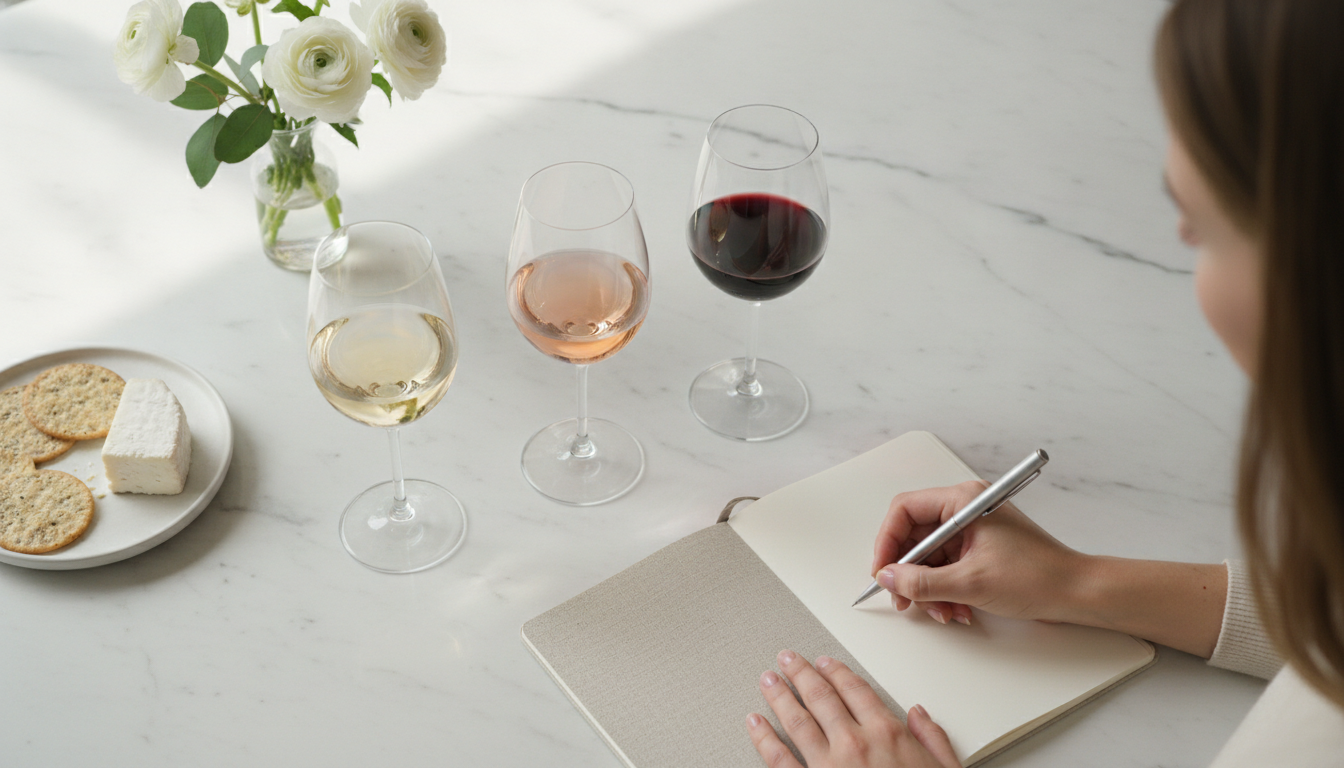
The wine tasting etiquette for beginners that I've worked out over time is simpler than you'd think. Don't wear perfume or strong deodorant, because it interferes with smelling. Wear dark clothing in case something does go wrong. Water and plain bread are always on hand to cleanse your palate between wines.
What I didn't know at first: you don't have to finish every wine. At professional tastings there are spittoons, and nobody finds that rude. After six wines at 5 cl (about 1.7 oz) each, you'd otherwise have consumed 0.3 liters (about 10 oz) of wine. At my first big trade fair, ProWein 2023 in Düsseldorf, Germany, with over 6,000 wines, I wouldn't have been able to walk a straight line without spitting.
Asking questions is welcome. By now I ask about the aging process at every tasting: was the wine in a steel tank or a wooden barrel? That often explains why a wine tastes creamy or crisp and fresh. According to a 2023 study by Hochschule Geisenheim University, 68 percent of wine tasting participants in Germany attend events specifically to learn more about winemaking.
Your first wine tasting: my tips for getting started
Start small. My most successful tasting wasn't the most expensive one, but a Riesling tasting at the Schloss Vollrads estate in the Rheingau region of Germany. Three wines for about $17, with a detailed explanation of terroir and vine pruning. Focused tastings like this are better for newcomers than a wild mix of ten different grape varieties.
Pick a type of wine that interests you. I started with German Rieslings because I liked the acidity and the variety was manageable. Others start with Pinot Noir or Chardonnay. It's like any other learning process: if you're interested in the subject, the knowledge sticks.
Take notes. Since my third tasting I've kept a wine journal in a simple app called Vivino. I photograph the label and jot down three keywords: what do I smell, what do I taste, would I buy the wine again? After 50 entries I recognized my pattern: I like mineral white wines and fruity red wines without too much oak.
- Start with beginner wine tastings that include no more than six wines and have a clear structure
- Focus on one grape variety or region at first instead of trying to learn everything at once
- Use apps like Vivino or Delectable to document your tastings and spot patterns
- Attend tastings in small groups of up to 15 people, where you'll feel more comfortable asking questions
- Invest in a decent set of wine glasses for home so you can practice what you've learned
From insecurity to confidence
The turning point came after about a year. I was at a private wine tasting in an acquaintance's loft in Kreuzberg. Someone had brought a 2017 Barolo, an Italian red wine costing over $110. Everyone was reverent, and I was relaxed. I swirled the glass, sniffed with concentration and said: "Cherry, leather, and is that tobacco? Pretty strong tannins, it needs more time." The group looked at me, and the host nodded approvingly. "Exactly. It should lie down for another three years."
I hadn't guessed. I had perceived, classified and spoken up. That was the moment I realized: I'm not a beginner anymore. Just as I once had to learn to say no when something didn't suit me, I had now learned to say yes to my own perception.
This development has also changed my dating life. When someone orders a wine today, I can join the conversation. I no longer have to nod and hope the conversation moves on. I can make suggestions, discuss, disagree. That creates a different dynamic, a conversation on equal footing instead of a gap between those who know and those who don't.
My favorite places for wine tastings in Germany
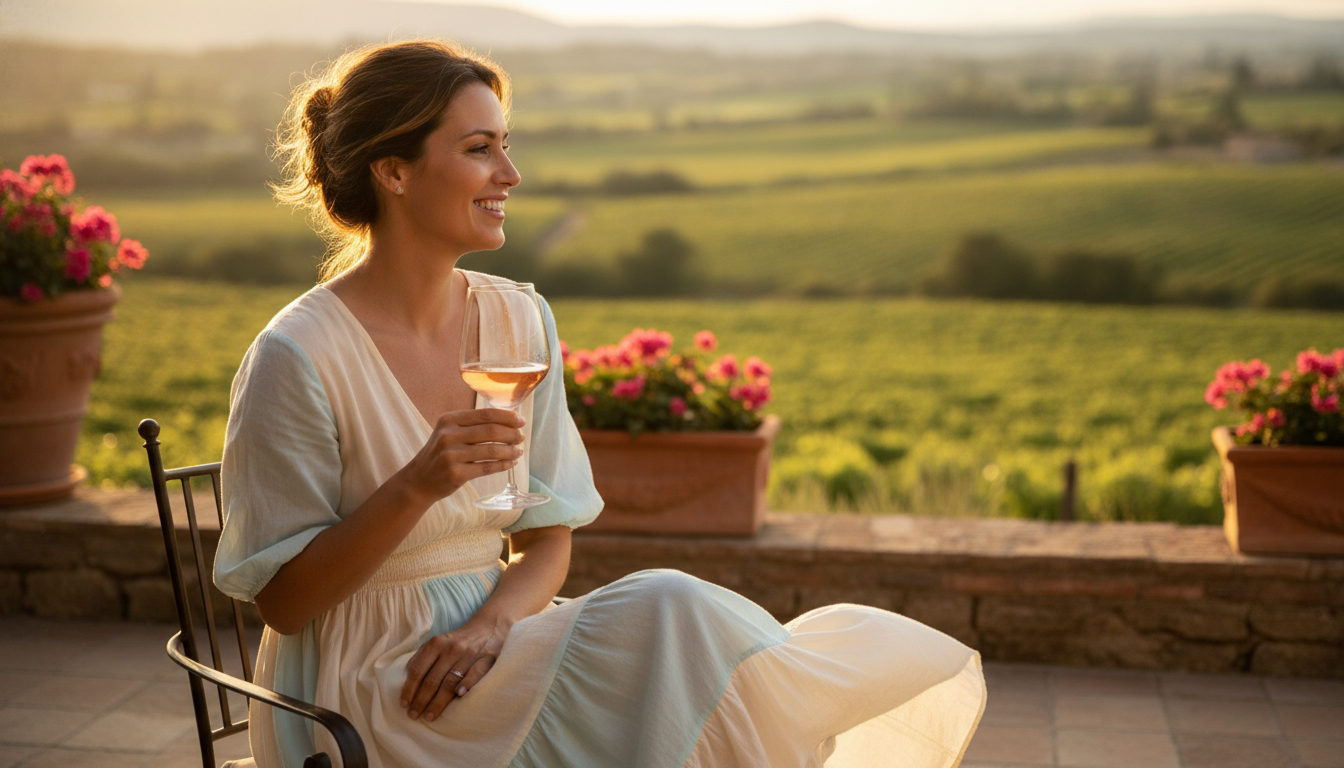
After two years, I have a list of places I recommend to every newcomer. Vinocentral in Berlin offers themed tastings every month for about $50 to $70. The Sommelier School in Wiesbaden has intensive weekend courses starting at about $200 that really build the basics. And if you have time: a tasting directly at a winery, such as Weingut Dr. Loosen on the Mosel, often costs only about $10 to $20 and is incredibly authentic.
In Munich I like Weinhaus Schwarzer on the Rindermarkt, and in Hamburg Weinhandlung Kreis on the Neuer Pferdemarkt. Both hold regular tastings for beginners and create a relaxed atmosphere where you dare to ask dumb questions. According to Statista, Germans drank an average of 19.9 liters of wine per person in 2023, but only 12 percent regularly attended wine tastings, even though it's the most effective way to learn how to taste wine properly.
What wine tasting has to do with financial independence
Maybe you're thinking: nice, but what does this have to do with this blog's topic? More than you think. Knowledge is self-determination. When I'm sitting in a restaurant and I understand the wine list, I don't depend on the recommendation of a server who might want to sell me the most expensive bottle. I can decide for myself, I can join the conversation, I'm not dependent on someone else's judgment.
The same goes for dating situations. When you know what you're talking about, you negotiate from a position of strength. You're not the clueless one who has to be grateful that someone takes the trouble to explain the world to you. You're a partner who contributes, who has her own preferences and articulates them.
Besides, wine tastings are networking. At tastings I've met people who opened doors for me, made connections to MySugardaddy, gave me travel recommendations or took me along to events. A shared passion connects, and in certain circles wine is one of the most important shared passions of all.
Frequently asked questions about wine tasting for beginners
How much does a wine tasting for beginners cost?
Beginner wine tastings cost between $30 and $80 for two hours with five to seven wines. Online tastings with a wine package start at about $45. Tastings directly at the winery are often cheaper, between $10 and $30, though usually shorter. For a start, I recommend a structured, hosted tasting rather than a free-form one, even if it costs more.
How do I behave properly at a wine tasting?
Wear dark clothing and skip the strong perfume. Always hold the glass by the stem, never by the bowl. Ask questions when you don't understand something. Use water and bread between wines. At professional tastings, spit when spittoons are provided. And most important: nobody expects perfect answers, your personal perception is what counts.
Which wines are best for beginners?
German Rieslings are ideal for getting started because they have clear fruit and show differences in acidity well. Among red wines, Spätburgunder (Pinot Noir) or Italian Chianti are approachable. At first I advise against heavy Barolo or complex Bordeaux, which tend to overwhelm. Start with a grape variety tasting where you compare, say, four different Rieslings, so you learn to taste the differences.
Do I have to finish all the wines at a wine tasting?
No, definitely not. At professional tastings you're even expected to spit. With six wines at 5 cl (about 1.7 oz) each, you'd otherwise consume 0.3 liters (about 10 oz) of wine. If there are no spittoons, you can also leave the wine in the glass. Nobody will look at you funny; on the contrary, it shows that you take the tasting seriously and want to stay focused.
How often should I attend wine tastings as a beginner?
I recommend one tasting a month over three to six months at first. That gives you time to absorb what you've learned and build on it next time. After half a year of regular attendance, you'll notice a clear difference in your perception. After that, quarterly tastings are enough to keep up. More important than frequency is consistency: better once a month for a year than five tastings in one month and then a break.
Conclusion: dare to become a wine lover
From nervous wine tasting beginner to confident wine lover, this journey has given me not only knowledge about wine but also about myself. I've learned to trust my perception, ask questions and articulate my preferences. Skills that reach far beyond the wine world.
You don't need prior knowledge, expensive equipment or elitist access. You just need the willingness to try something new and get through the first awkward moments. Trust me: after the third tasting you'll forget the first and be able to laugh about your beginner mistakes.
If you're building a life outside traditional structures, skills like these are worth their weight in gold. They open doors, create conversation starters and give you confidence in situations where others would feel uncomfortable. My first wine tasting at Vinocentral was an investment of about $55. What I've made of it since is priceless.
So: sign up for a beginner wine tasting. Pick a grape variety that makes you curious. And don't forget: it's not about knowing everything, but about enjoying and learning. Cheers to your journey as a wine lover.